
Restaurant-quality vegetable dishes are built by treating vegetables as the main event: choose produce suited to the cooking method, manage moisture, develop deep browning, and finish with deliberate seasoning and texture. The approach reflects a broader culinary shift: vegetables can be satisfying centerpieces rather than side dishes. The Centers for Disease Control and Prevention recommends that adults consume at least 1.5 to 2 cups of fruit and 2 to 3 cups of vegetables daily, yet vegetable intake remains below recommendations for many people. Learning professional techniques at home can make vegetables more flavorful and appealing, while reducing reliance on elaborate recipes or expensive equipment.
Vegetable Cooking Techniques Create Restaurant-Quality Flavor
There is no single official definition of “restaurant-quality” vegetable cooking. In practical culinary terms, it means controlling heat, moisture, seasoning, and texture so a vegetable’s natural character is enhanced rather than obscured. Chefs commonly combine dry-heat methods such as roasting and searing with moisture-based methods such as blanching and braising, then finish with acidity, herbs, or a flavorful sauce. These methods are useful for home cooks because they rely more on attention and timing than on specialized gear.
Roasting develops concentrated sweetness
Roasting cooks vegetables with surrounding hot air, encouraging surface drying and browning while the interior softens. Cut vegetables into evenly sized pieces, dry them well, coat lightly with oil, and spread them across a pan without crowding. Crowding traps steam, making vegetables tender but pale. A hot oven—often around 425°F (220°C)—works well for many sturdy vegetables, though size and water content affect cooking time. Carrots, cauliflower, squash, and Brussels sprouts are reliable choices.
Browning is associated with the Maillard reaction, a group of reactions between amino compounds and reducing sugars that creates complex aromas and flavors. The Institute of Food Technologists describes the reaction as an important source of flavor and color in cooked foods. For a practical example, roast cauliflower in a single layer until its edges are deeply browned, then add lemon juice, chopped parsley, and toasted breadcrumbs. The contrast of caramelized surfaces, bright acidity, and crunch makes a simple vegetable feel composed.
Searing creates a flavorful surface
Searing uses direct contact with a hot pan to brown a vegetable’s cut surface. It works especially well with mushrooms, cabbage wedges, sliced fennel, and thick rounds of eggplant. Heat the pan before adding oil, leave space between pieces, and resist moving them until a browned crust forms. Mushrooms release substantial water, so cook them in batches if necessary; otherwise, they simmer in their own liquid instead of browning.
A hot pan is not a substitute for a dry surface. Rinsed vegetables should be dried, and watery ingredients such as zucchini can be salted briefly and blotted when a firmer sear is desired. Finish a seared vegetable with a little stock, vinegar, or citrus to lift browned bits from the pan and create a quick, concentrated sauce.
Blanching and shocking preserve color and texture
Blanching briefly cooks vegetables in boiling water; shocking transfers them immediately to ice water to halt cooking. This two-stage method is useful for green beans, asparagus, peas, and broccoli when you want vivid color and a tender-crisp bite. Salt the water generously, cook only until the vegetables are just tender, then drain and dry thoroughly. The ice bath is particularly helpful when vegetables will be served cold or finished later in a sauté.
Blanching is a preparation technique, not a promise that vegetables retain every nutrient. Nutrient retention varies with the vegetable, cooking time, and amount of water. The USDA’s FoodData Central provides nutrient information for raw and cooked foods, illustrating why comparisons should be made for the specific ingredient and preparation rather than by assuming one method is always best.
Vegetable Seasoning Builds Balance and Depth
Seasoning is the deliberate adjustment of salt, acidity, fat, sweetness, bitterness, and savory flavors. Professional kitchens often season in stages: lightly during cooking, then again at the end after tasting. This matters because heat changes flavor concentration, and a finishing ingredient can transform the impression of the whole dish. Once a vegetable has the right texture, a small adjustment can make it taste more complete.
Salt brings out the vegetable’s flavor
Salt does more than make food taste salty; used judiciously, it can make other flavors seem clearer and more pronounced. Season vegetables at more than one stage when appropriate: salt cooking water for blanching, add a modest pinch before roasting, and taste again before serving. The FDA’s general guidance recommends adults limit sodium to less than 2,300 milligrams per day. Because sauces, cheese, and prepared seasonings can contribute substantial sodium, taste before adding a final pinch.
Acidity makes rich or sweet vegetables taste lively
Acidity from lemon, vinegar, yogurt, or fermented ingredients can counterbalance sweetness and richness. Add it near the end of cooking so its fresh character remains distinct. For example, finish roasted carrots with lemon juice and a spoonful of yogurt, or dress warm lentils and sautéed greens with red-wine vinegar. A little acidity is often more effective than adding extra salt when a dish tastes flat.
Umami ingredients deepen savory flavor
Umami is a savory taste associated with compounds such as glutamate, which occurs naturally in foods including tomatoes, mushrooms, and aged cheese. Miso, soy sauce, Parmesan, tomato paste, and mushrooms can add depth to vegetable dishes. Use concentrated ingredients sparingly: a small amount of miso whisked into butter or a dusting of Parmesan can enrich roasted squash without masking its character. Keep sodium in mind when combining several salty ingredients.
Vegetable Texture Turns a Side Dish into a Finished Plate
Texture is the contrast among crisp, tender, creamy, chewy, and juicy elements. Restaurant plates often feel composed because they layer these sensations rather than serving a single uniform texture. A tray of soft roasted vegetables, for instance, becomes more engaging with toasted nuts, crisp crumbs, or raw herbs. Texture also helps a dish remain appealing as it cools and gives each bite variation.
Add crunch with seeds, nuts, and crisp toppings
Toasted almonds, pumpkin seeds, sesame seeds, and breadcrumbs provide crunch and roasted flavor. Toast them separately in a dry pan or low oven, watching closely because small pieces can burn quickly. Add toppings just before serving to preserve their crispness. For an accessible example, top sautéed green beans with toasted hazelnuts and a squeeze of lemon.
Use sauces to connect flavors and textures
A sauce can add moisture, richness, acidity, and visual contrast. Useful options include herb vinaigrette, tahini sauce, yogurt with garlic, salsa verde, and pan juices. Rather than burying vegetables, apply sauce beneath or around them, or drizzle lightly over the top. This keeps crisp surfaces intact and allows the vegetable’s flavor to remain central.
Vegetable Selection and Preparation Improve Results
Ingredient selection is the starting point for good cooking. Freshness, seasonality, cut size, and moisture level all influence the final texture and flavor. The USDA’s Seasonal Produce Guide offers a useful starting point for choosing produce, while frozen vegetables can be practical and nutritious alternatives when fresh options are unavailable. The best choice depends on the dish: sturdy vegetables suit roasting, tender greens suit quick cooking, and frozen peas or spinach can work well in soups and sautés.
Match the cut to the cooking method
Uniform pieces cook at a similar rate, reducing the chance that some vegetables burn while others remain firm. Smaller cuts expose more surface area and cook faster; larger pieces retain more moisture and often suit roasting or grilling. Keep the shape consistent within a batch, and separate vegetables with different cooking times. Add quick-cooking ingredients, such as asparagus tips or leafy greens, later than dense potatoes or carrots.
Manage moisture before applying heat
Water on the surface of vegetables slows browning because heat must first evaporate that moisture. Dry washed produce with a clean towel or salad spinner, and avoid adding wet marinades before roasting. Frozen vegetables generally release more water as they thaw, so roast them from frozen on a spacious, preheated tray or cook them using a method that welcomes moisture, such as a soup or curry.
A Repeatable Restaurant-Style Vegetable Workflow
A reliable workflow makes the techniques easier to use without following a complicated recipe. Think of the process as a sequence: choose a vegetable and cooking method, prepare it evenly, cook with controlled heat, taste, and finish with contrast. This method works for weeknight meals and helps home cooks adapt to whatever produce is available.
- Choose one main vegetable and decide whether it needs dry heat, direct searing, or brief blanching.
- Cut pieces to a consistent size and dry them well.
- Preheat the oven, pan, or grill before cooking; leave enough room for heat to circulate.
- Season in stages, using oil where it supports browning and flavor.
- Cook until the desired texture is reached, checking the thickest piece rather than relying only on a timer.
- Taste and finish with a balancing element—acid, herbs, a savory condiment, or a crunchy topping.
- Serve promptly, placing sauces and crisp garnishes so they do not soften browned surfaces.
A simple case study is a restaurant-style tray of roasted broccoli. Dry the florets, cut them to similar size, toss them lightly with oil and salt, and roast in a single layer until browned at the tips and tender inside. Finish with lemon zest, a squeeze of juice, and toasted breadcrumbs. Each step has a purpose: dry surfaces and space encourage browning, even cuts support consistent doneness, and the bright, crunchy finish adds contrast.
Conclusion: Restaurant-Quality Vegetable Cooking at Home
Restaurant-quality vegetables depend on a few connected skills: use roasting and searing to develop flavor, blanch when vivid color and crisp-tender texture matter, balance seasoning with acidity and umami, and build contrast with sauces and crunchy finishes. Choosing suitable produce, cutting it evenly, and controlling surface moisture make those techniques more dependable. These habits can help make vegetables more appealing and support healthier meals without requiring professional equipment. Try one technique this week, taste as you cook, and keep notes on the combinations you enjoy.
Sources: Centers for Disease Control and Prevention, Fruit and Vegetable Recommendations, https://www.cdc.gov/nutrition/php/data-research/fruit-vegetable-intake.html; Institute of Food Technologists, The Maillard Reaction, https://www.ift.org/news-and-publications/food-technology-magazine/issues/2015/december/columns/processing-maillard-reaction; U.S. Department of Agriculture, FoodData Central, https://fdc.nal.usda.gov/; U.S. Food and Drug Administration, Sodium in Your Diet, https://www.fda.gov/food/nutrition-education-resources-materials/sodium-your-diet; U.S. Department of Agriculture, Seasonal Produce Guide, https://snaped.fns.usda.gov/resources/nutrition-education-materials/seasonal-produce-guide
Related Posts
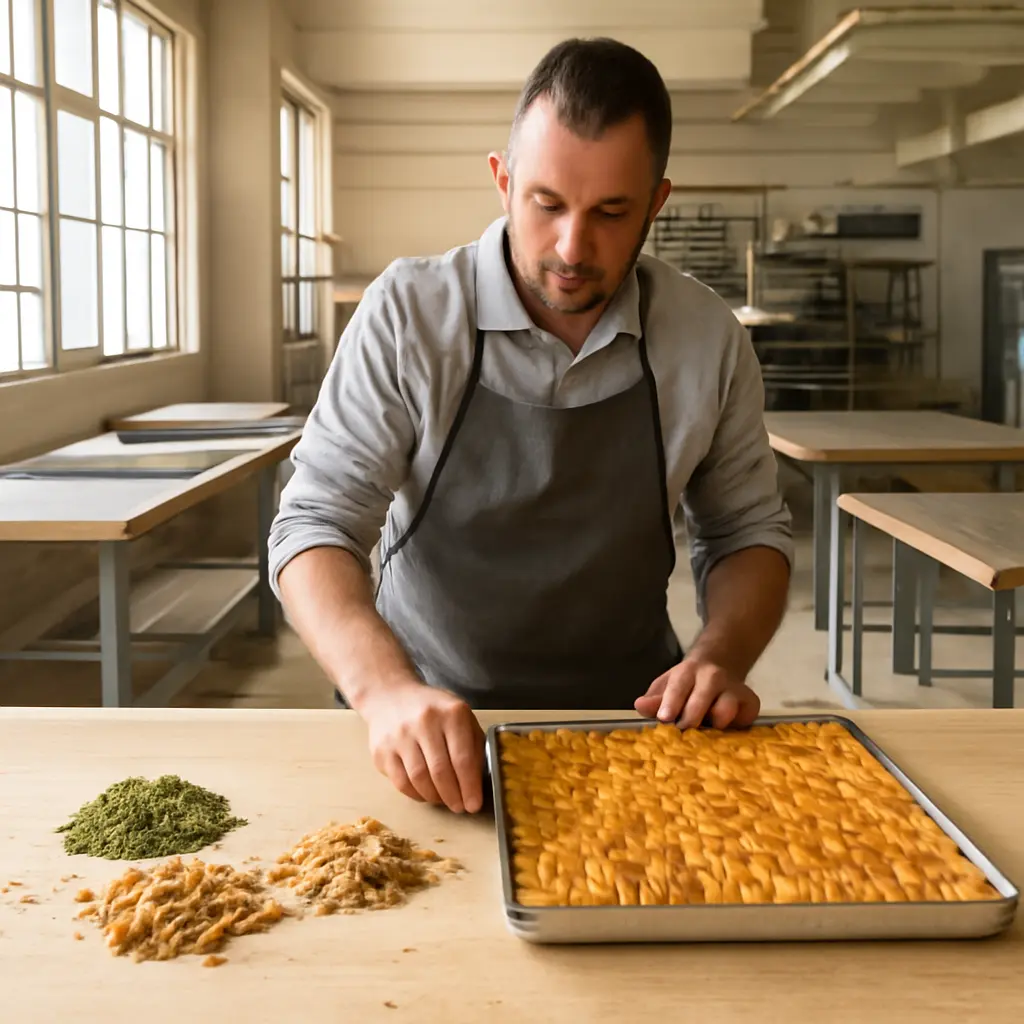
The nutty secret behind Middle Eastern sweets that taste unforgettable
Middle Eastern sweets owe much of their unforgettable flavor to…

Lebanese Desserts Explained A Beginner Friendly Guide to Sweets and Pastries
Lebanese Desserts and Their Distinctive Sweetness Lebanese desserts are renowned…

Not Sure What to Order How Lebanese Appetizers Turn Any Meal into a Feast
Lebanese Appetizers as Culinary Staples Lebanese appetizers, commonly known as…