
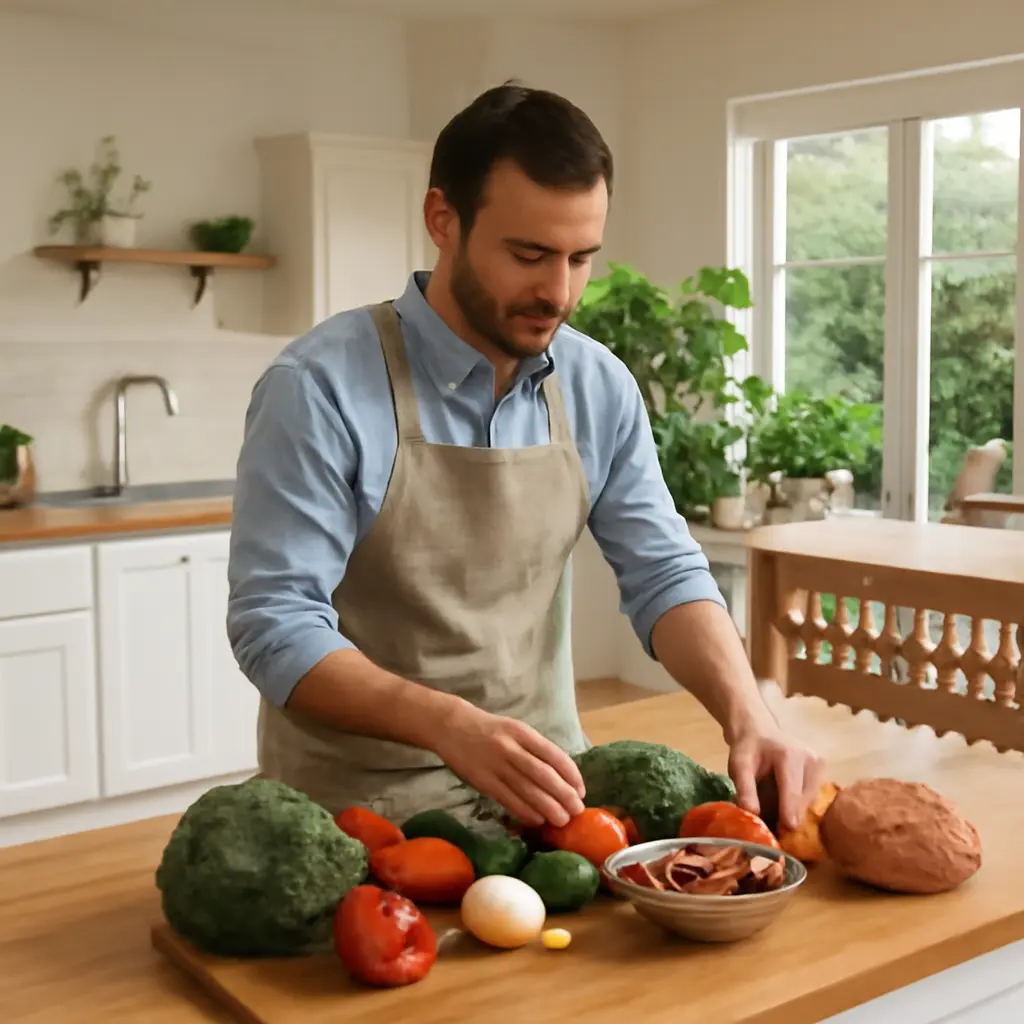
Roasting vegetables in Beirut home kitchens is less a fixed recipe than a practical way of cooking: seasonal produce is cut, coated lightly with oil and seasoning, then roasted until its edges brown and its center softens. The method fits naturally into a food culture shaped by vegetables, olive oil, herbs, and shared meals. Below, we look at what makes the approach distinctive, how to adapt it to different vegetables, and how oven temperature, pan space, and finishing flavors affect the result. The evidence also offers useful context: the U.N. Food and Agriculture Organization identifies the Mediterranean region as a major center of cultivated plant diversity, while Lebanon’s traditional cuisine draws on a wide range of local produce.
How Beirut-Style Vegetable Roasting Reflects Lebanese Home Cooking
“Beirut-style vegetable roasting” is a descriptive label, not a standardized culinary term or a single recipe codified by an official authority. Here, it means a home-cooking approach associated with Lebanese and wider Levantine foodways: make the most of available vegetables, season them simply, cook them until tender and browned, and serve them as part of a generous table. Lebanese food writers and cooks commonly describe the country’s cuisine through its regional ingredients, seasonal habits, and balance of vegetables, grains, legumes, herbs, and olive oil.
That distinction matters. A Beirut family might roast cauliflower with cumin one day and bake tomatoes, onions, and peppers another; neither combination defines every household. The useful shared principles are flexibility, restrained seasoning, and attention to the texture of each vegetable. Roasted vegetables may accompany grilled meat or fish, sit beside rice or bulgur, or become part of a largely plant-based meal with hummus, labneh, or warm bread.
Seasonality and the household table
Seasonal cooking means choosing produce when it is readily available and at its best, rather than relying on one unchanging list. The FAO’s work on Mediterranean agricultural diversity documents the region’s varied crops and food traditions; in practice, a Lebanese market may offer tomatoes, eggplant, zucchini, peppers, onions, potatoes, and cauliflower, with availability shifting across the year. For a home cook, the principle is simple: roast what looks good, and adjust cutting size and timing to suit it.
Olive oil, herbs, and shared flavors
Olive oil helps vegetables brown and carries aromatic seasonings across their surfaces. Garlic, black pepper, cumin, paprika, dried mint, thyme, or za’atar can all work, though a light hand lets the vegetable’s flavor remain clear. Lemon juice, chopped parsley, or a spoonful of tahini added after roasting supplies brightness and contrast. These ingredients also connect the tray to familiar Lebanese table flavors without implying that every household uses the same combination.
How to Roast Vegetables Using Beirut Home-Cooking Principles
The method is straightforward, but good results depend on matching heat and time to the ingredient. The U.S. Department of Agriculture’s food-safety guidance emphasizes safe handling and cooking practices; for vegetables, the practical quality cues are tenderness, browned surfaces, and clean, appetizing aromas. A hot oven promotes browning, while a crowded pan traps moisture and encourages steaming.
Choose and prepare the vegetables
Select a mix with similar cooking times, or roast sturdy and delicate vegetables on separate trays. Cut potatoes, carrots, and cauliflower into smaller pieces than quick-cooking zucchini or peppers. Dry washed vegetables well, since excess surface water slows browning. For a mixed tray, start dense vegetables first and add softer ones later.
Season lightly and leave room on the pan
Toss the pieces with enough olive oil to coat them thinly, then season with salt and a spice or herb that suits the meal. Arrange them in one layer with visible space between pieces. If the tray is crowded, use two pans; this allows hot air to circulate and helps moisture escape. Turn the vegetables once during cooking if their undersides are browning faster than their tops.
Use heat and texture as guides
A home oven set around 220°C (425°F) is a useful starting point for many chopped vegetables, though oven performance and piece size vary. Begin checking early: zucchini and peppers can soften quickly, while potatoes and carrots need longer. The goal is not a universal cooking time but a combination of a tender center and browned edges. A chart can help organize a mixed tray: place dense vegetables in the “longer roast” group and add quick-cooking vegetables near the end.
Which Vegetables Suit Beirut-Inspired Roasting?
Many vegetables can be roasted this way. The most useful categories are those that share cooking behavior: firm roots and potatoes, soft or watery vegetables, and brassicas such as cauliflower. Grouping them makes timing easier and gives cooks a practical route from a simple side dish to a more substantial meal.
Potatoes, carrots, and other firm vegetables
Potatoes and carrots hold their shape and benefit from smaller, evenly cut pieces. Toss them with olive oil, salt, pepper, and a little cumin or paprika. Roast until a knife passes easily through the center and the edges are browned. These vegetables pair well with garlic yogurt, tahini sauce, or a plate of lentils and rice.
Cauliflower and cabbage-family vegetables
Cauliflower florets develop crisp tips and a sweet, nutty flavor when roasted with adequate space around them. Cumin, coriander, or a pinch of chili can complement them; lemon and parsley added after cooking keep the flavor lively. For a fuller dish, serve the cauliflower with chickpeas, warm flatbread, or a tahini-lemon dressing.
Eggplant, zucchini, tomatoes, and peppers
These vegetables contain more water and soften faster than roots. Cut eggplant into substantial cubes or wedges and avoid overcrowding; slice zucchini and peppers thickly enough to retain some structure. Tomatoes can be roasted whole if small or cut into wedges if large. Add lemon, mint, parsley, or garlic after roasting rather than exposing every fresh herb to prolonged heat.
How to Build a Meal Around the Roasted Tray
In Lebanese home cooking, roasted vegetables need not stand alone. They can become one element in a meal built around grains, pulses, dips, bread, and fresh accompaniments. This flexible format reflects the broader food tradition more accurately than treating a single tray as a complete definition of Lebanese cuisine.
Add legumes, grains, or bread
Serve the vegetables with chickpeas, lentils, bulgur, rice, or flatbread to make the meal more filling. For an easy bowl, place roasted cauliflower and carrots over warm grains, add chickpeas, and finish with lemon and tahini. The combination brings together vegetables, plant protein, and a satisfying base without requiring a fixed recipe.
Finish with a sauce or fresh contrast
A finishing sauce balances the browned, savory vegetables. Try tahini loosened with lemon and water, thick yogurt with garlic, or olive oil with chopped herbs. Add these after roasting so they retain their fresh character. A small dish of pickles or raw salad can provide a crisp, acidic contrast.
A Practical Example: One Flexible Weeknight Tray
For a simple dinner, cut potatoes and carrots into small chunks and cauliflower into bite-size florets. Toss them with olive oil, salt, pepper, and cumin, then spread them across a large pan. Roast in a hot oven, checking for browning and tenderness; add sliced red pepper partway through if you want a softer vegetable in the mix. Serve with chickpeas, flatbread, and lemon-tahini sauce. This is an adaptable example inspired by Lebanese pantry flavors, not a claim to reproduce one definitive Beirut family recipe.
Conclusion: Keep the Method Flexible and the Table Generous
Beirut-inspired vegetable roasting is best understood as a flexible home-cooking practice: choose seasonal produce, use olive oil and compatible herbs or spices, avoid overcrowding, and judge doneness by texture and color. Roots, cauliflower, eggplant, zucchini, tomatoes, and peppers each need slightly different handling, while grains, legumes, bread, and fresh sauces turn the tray into a shared meal. Start with one seasonal vegetable, make room for it on the pan, and adjust the seasoning to your taste; then explore Lebanese cookbooks and food-history resources to learn more about the varied traditions behind the table.
Sources: Food and Agriculture Organization of the United Nations, Mediterranean food and agricultural diversity resources, https://www.fao.org/; U.S. Department of Agriculture, Food Safety and Inspection Service, Safe Food Handling, https://www.fsis.usda.gov/food-safety/safe-food-handling-and-preparation; Anissa Helou, Feast: The Food of the Islamic World, Ecco, https://www.harpercollins.com/products/feast-anissa-helou; Claudia Roden, The New Book of Middle Eastern Food, Knopf, https://www.penguinrandomhouse.com/books/
Related Posts
New to Mediterranean Food Start With These Honest Basics
Mediterranean food is not one fixed cuisine or a single…

Lebanese Family Dining vs Traditional Restaurant Dining Which Is Better for Groups
Lebanese Family Dining as a Group Experience Lebanese family dining…

Planning a Memorable Night Out How Special Occasion Dining Makes Every Moment Count
Special Occasion Dining: Enhancing Memorable Nights Out Special occasion dining…